
Whether you are a beginner and learning how to draft your first basic pattern or a slightly experienced and are ready to deep dive into developing professional grade garment patterns, having the right tools makes an absolute difference.
Patternmaking is the process of creating the templates used to construct garments. It involves measurements, calculations, geometric principles, and careful drafting to transform a design concept into a wearable garment.
Unlike general sewing, patternmaking requires specialized tools that help you create accurate lines, develop curves, transfer markings, and maintain precision throughout the drafting process.
Here are 18 Essential Tools & Supplies for Pattern Making to get you started!
01.
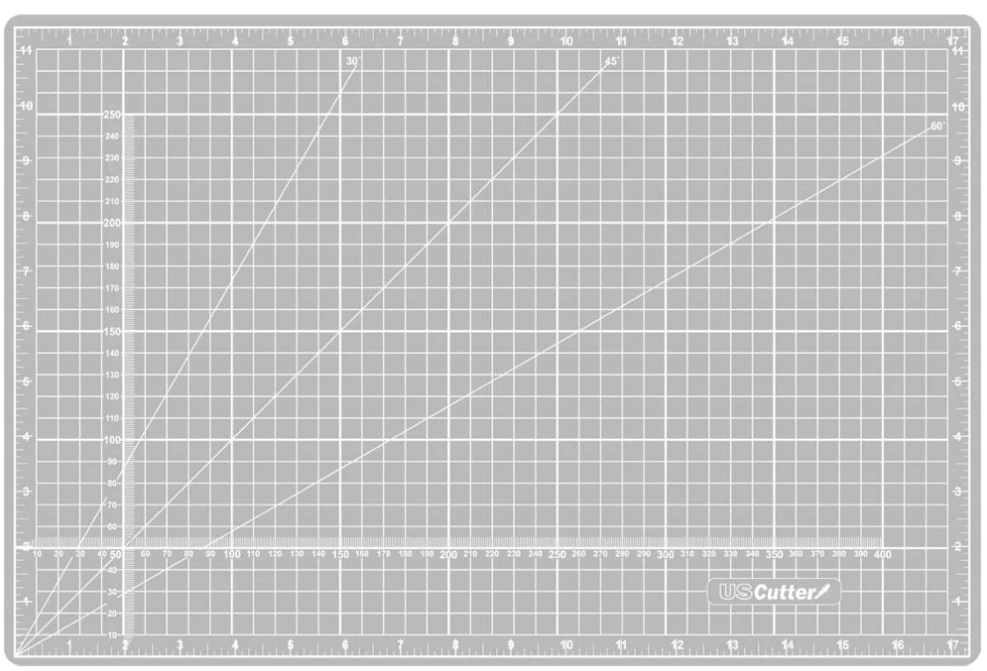
SELF HEALING MAT OR CORK BOARD TABLE TOP
A stable work surface is essential for accurate pattern development. A self-healing cutting mat protects your work surface from sharp tools and blades when cutting, pinning, and tracing. Alternatively, a cork board table provides a surface where you can pin pattern paper in place while drafting, tracing, and making adjustments.
02.
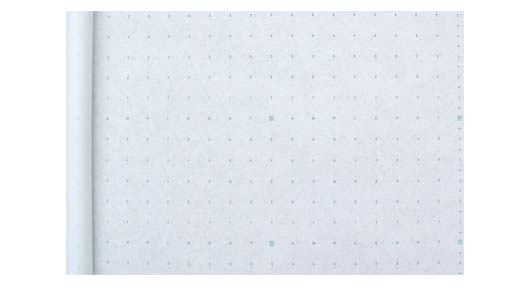
PATTERN PAPER
Pattern paper is the foundation of pattern development. It provides the surface for drafting, tracing, and modifying garment patterns. Depending on your project, you may use drafting paper, kraft paper, dot paper, or specialized pattern paper.
03.
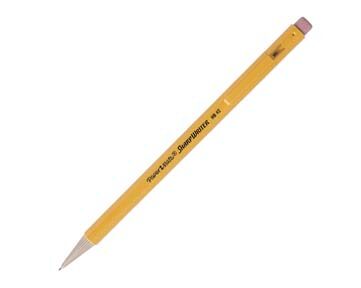
MECHANICAL PENCIL
A mechanical pencil provides a consistent, fine line for accurate drafting. It is ideal for marking measurements, drawing construction lines, and making adjustments without the need to sharpen a traditional pencil.
04.
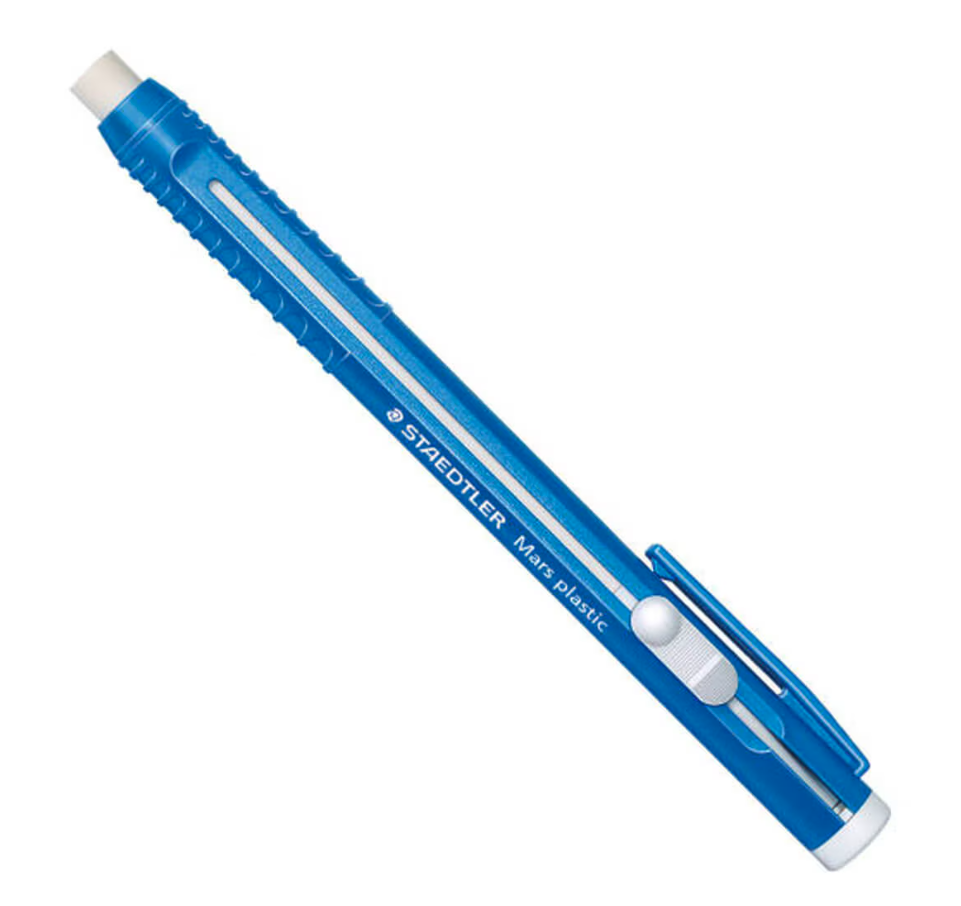
ERASER
A French curve ruler is designed for drawing smooth, precise curves. It is commonly used when drafting necklines, armholes, sleeve caps, and other curved areas of a garment pattern.
05.
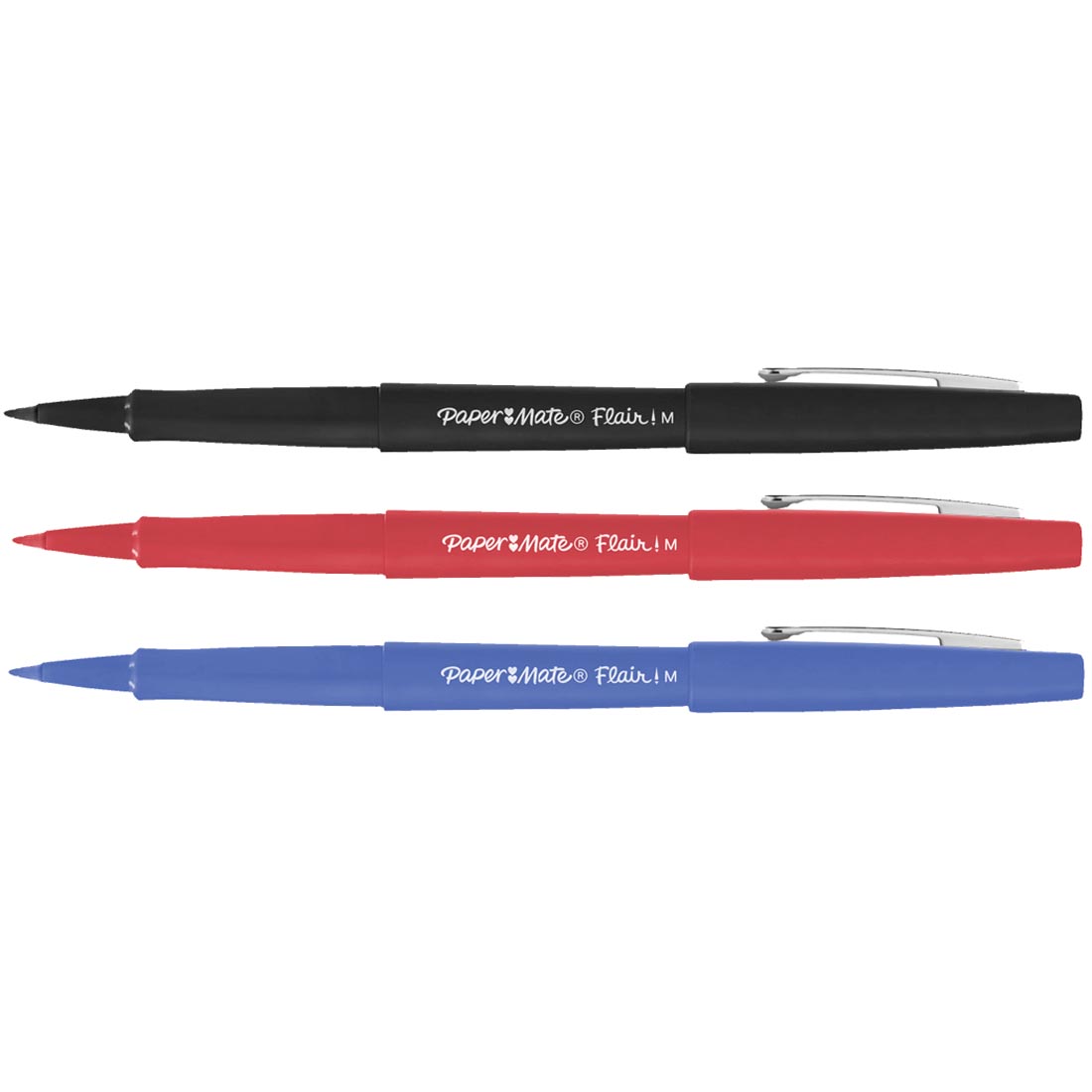
COLORED MARKERS
Colored markers help distinguish different drafting lines, pattern alterations, and construction details. Using separate colors makes it easier to identify original lines, adjustments, and revised pattern shapes.
06.
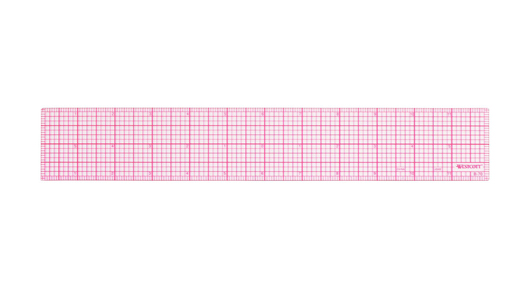
CLEAR RULER
A clear ruler is used to measure distances, draw straight lines, and create accurate markings. Its transparent surface allows you to see the pattern underneath, making it easier to align measurements and reference points.
07.
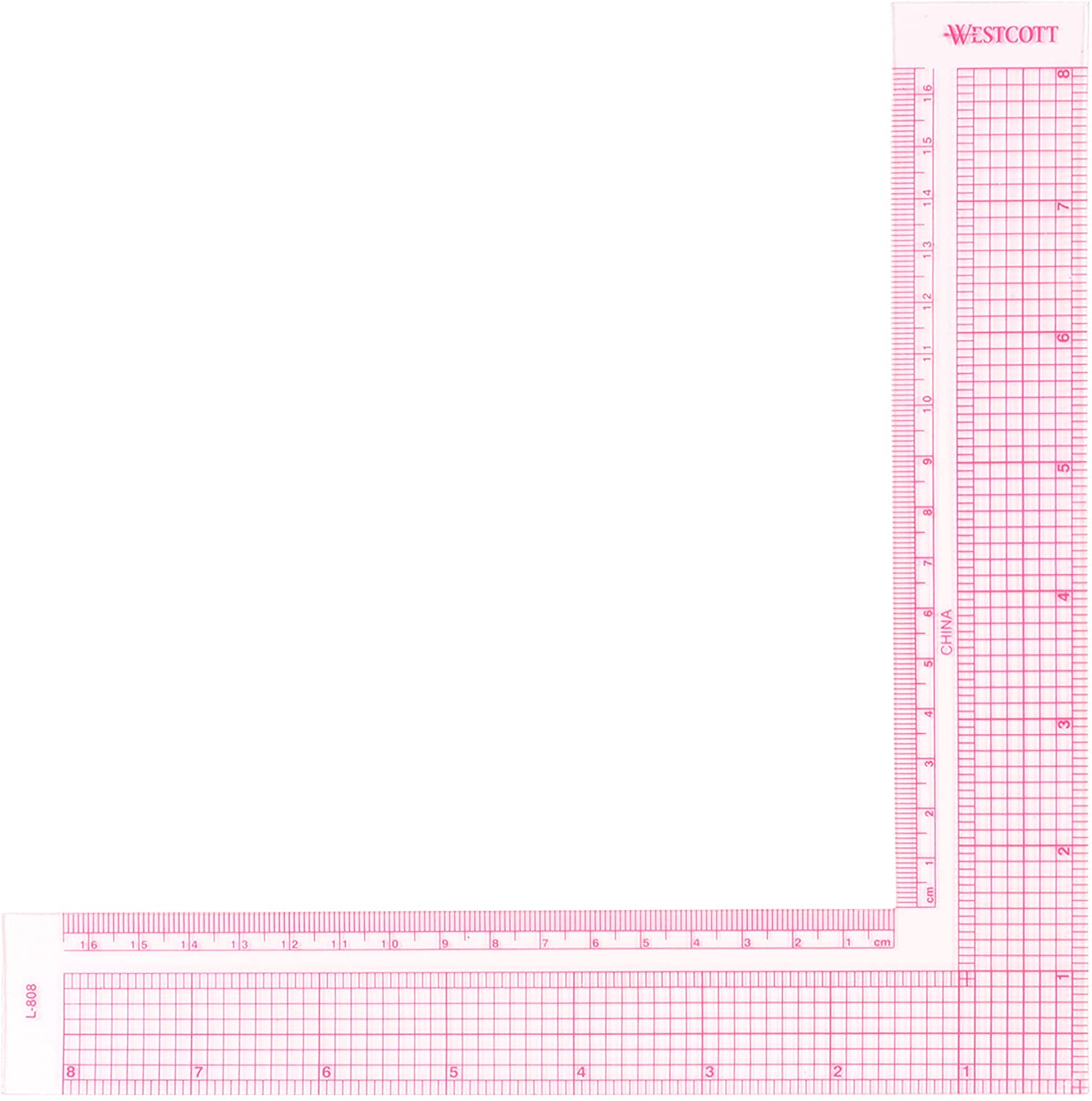
SQUARE RULER
A square ruler helps establish accurate right angles and perpendicular lines. It is essential for drafting waistlines, center fronts, center backs, grainlines, and other construction references that require precise alignment.
08.
FRENCH CURVE RULER
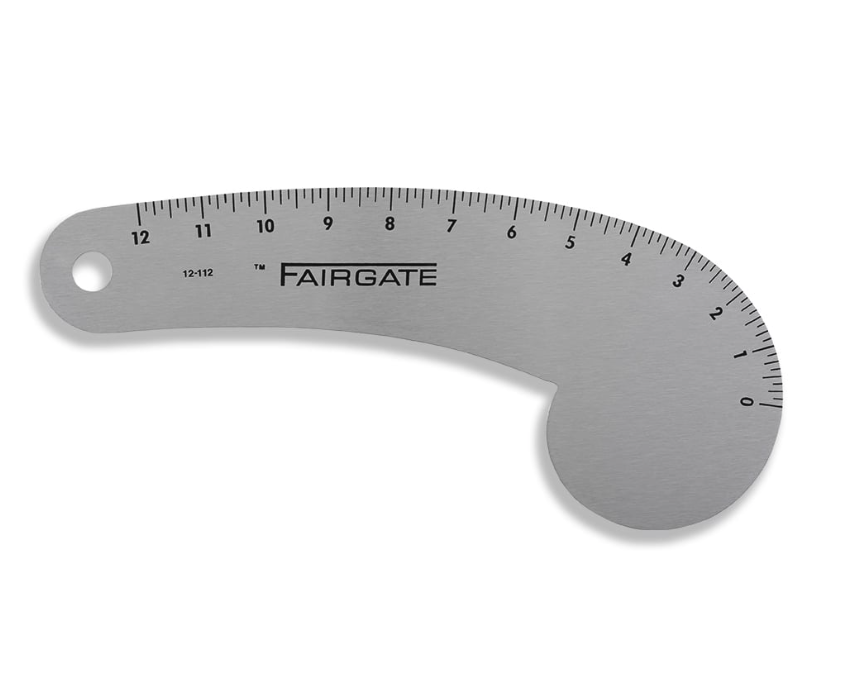
A French curve ruler is designed for drawing smooth, precise curves. It is commonly used when drafting necklines, armholes, sleeve caps, and other curved areas of a garment pattern.
09.
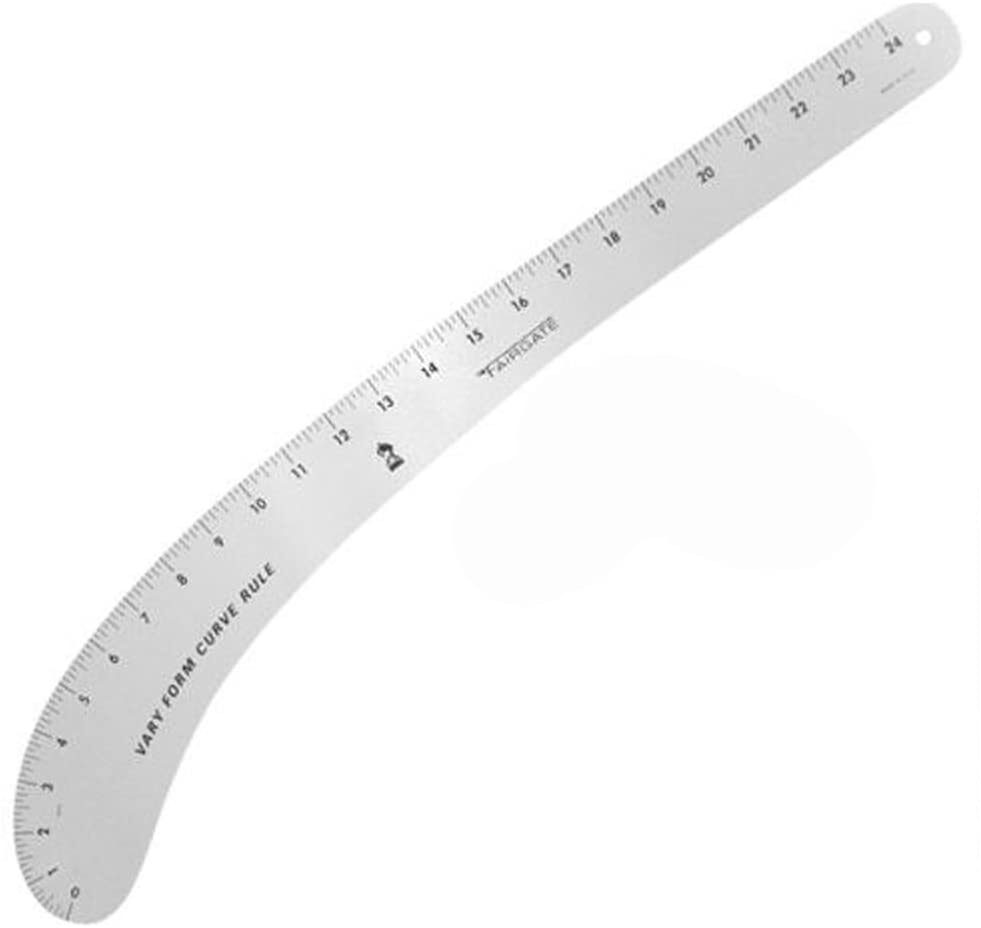
VARIED CURVED OR HIP CURVE RULER
A vary form ruler, also known as a hip curve, is used to create longer, gradual curves on garment patterns. It is particularly useful for shaping side seams, waistlines, hips, and other areas where a smooth transition is needed.
10.
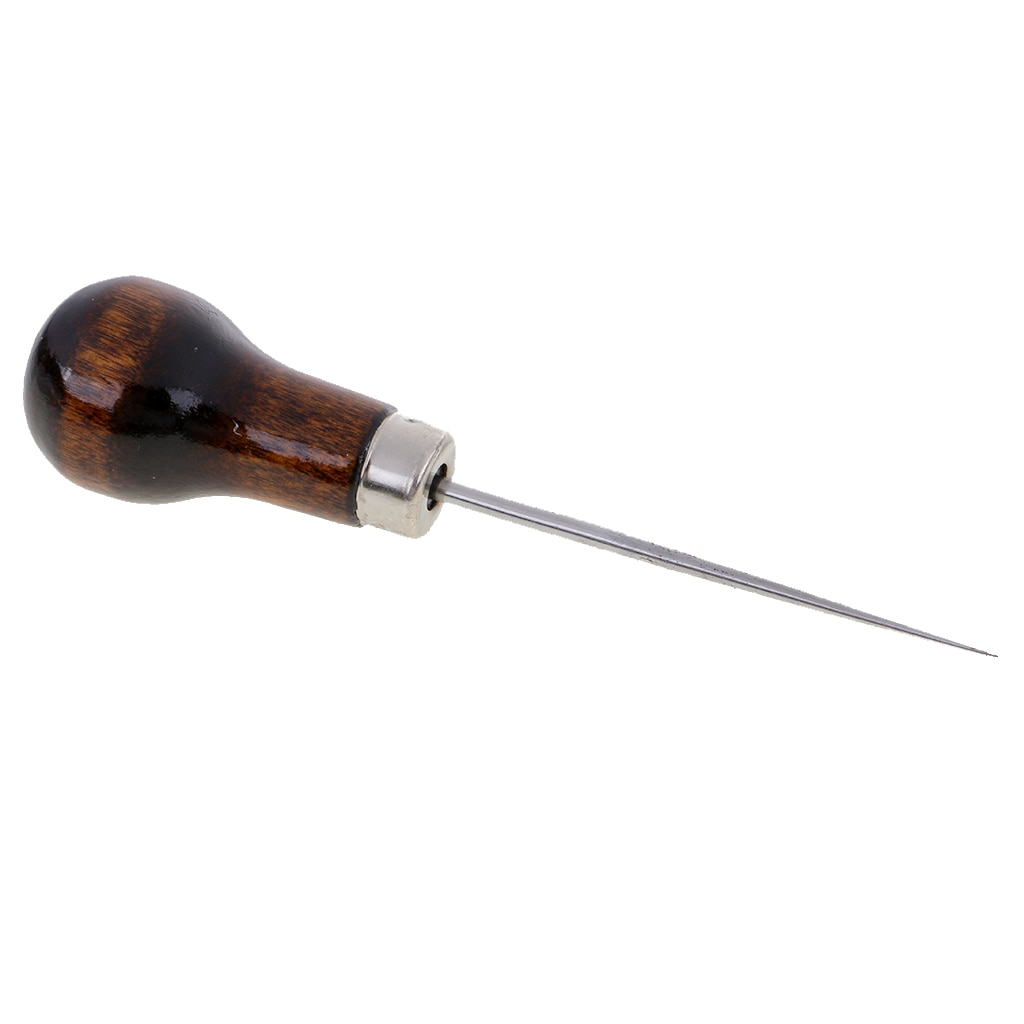
AWL
An awl is a pointed tool used to create small holes in pattern paper. It is especially useful for marking dart points, pivot points, drill holes, and other reference locations that need to be transferred accurately.
11.
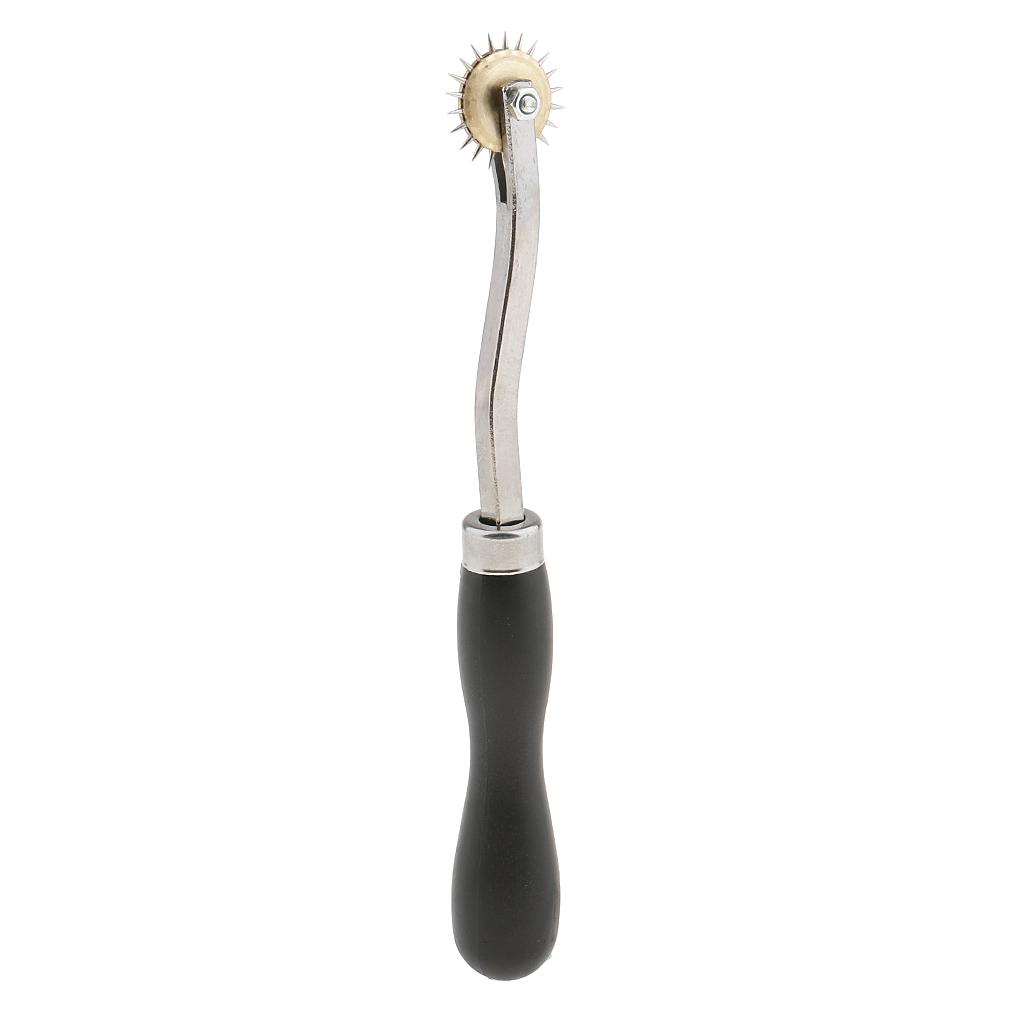
TRACING WHEEL
A tracing wheel is used to transfer pattern markings from one layer of paper to another, often with the help of tracing paper. It is useful for transferring darts, seam details, construction lines, and other pattern information.
12.
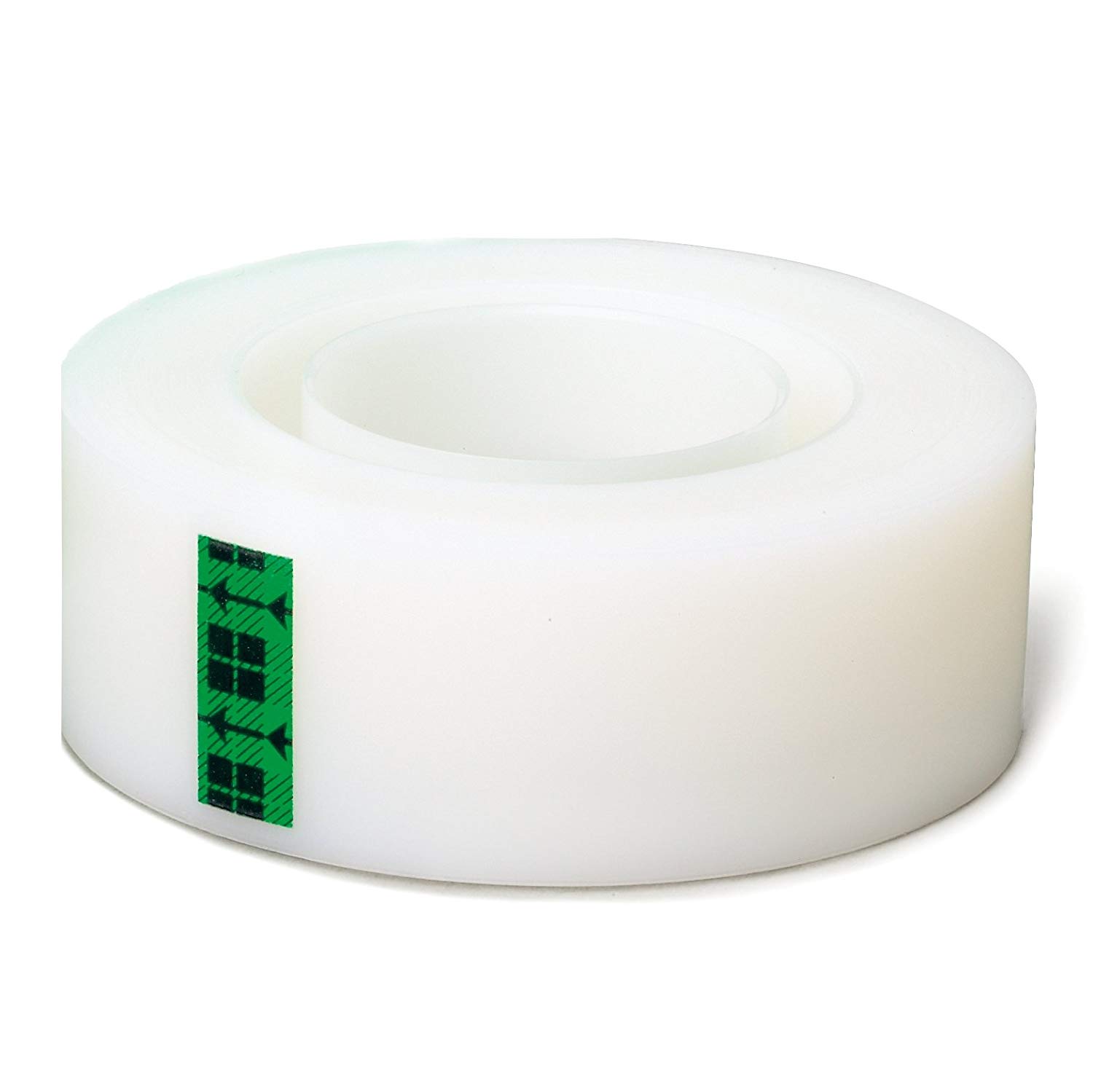
MAGIC TAPE
Magic tape is useful for joining pattern paper, repairing small tears, and securing paper extensions. Its matte finish also makes it convenient for writing or drawing over taped areas.
13.
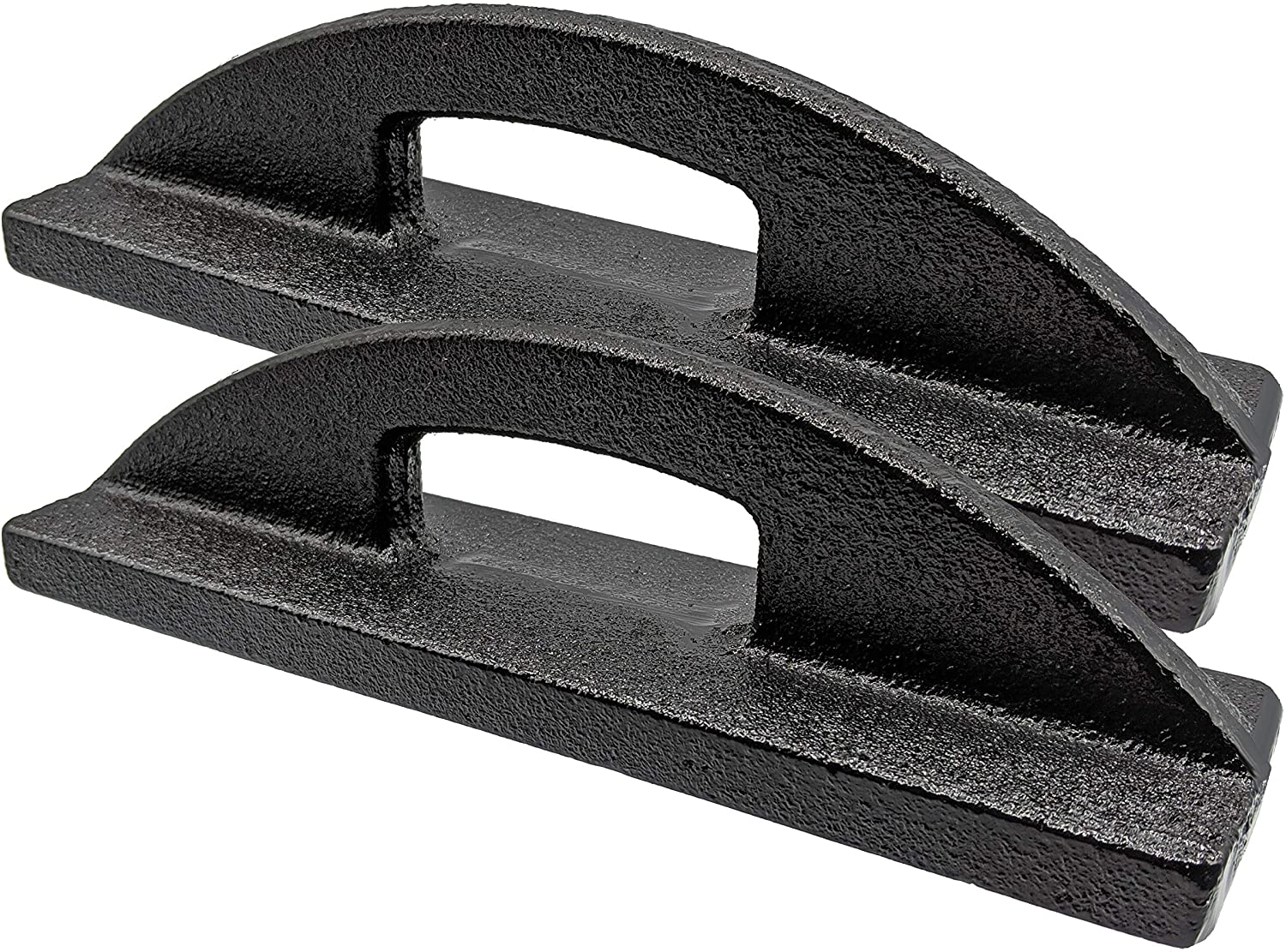
PAPER WEIGHTS
Pattern weights hold pattern paper in place while drafting, tracing, or cutting. They are particularly useful when working with large pattern sheets because they help prevent the paper from shifting or moving.
14.
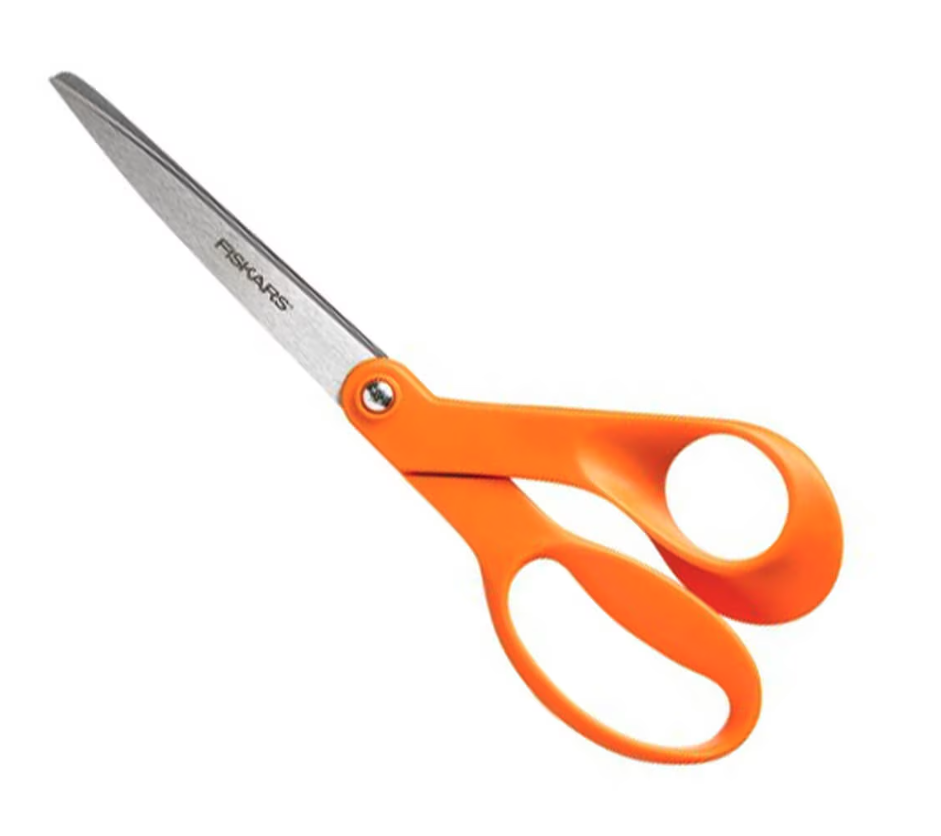
PAPER SCISSORS
A dedicated pair of paper scissors is essential for cutting out drafted patterns. Keeping separate scissors for paper and fabric helps preserve the sharpness of your fabric shears and ensures clean, accurate pattern edges.
15.
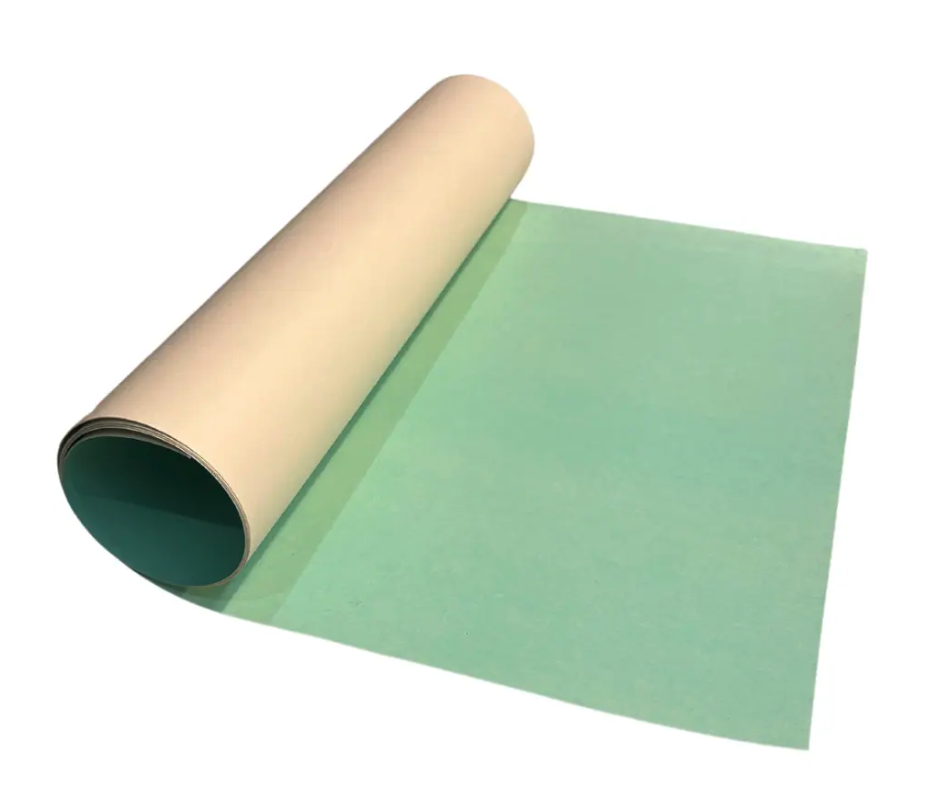
OAK / MANILA TAG PAPER
Oak tag is a heavy-weight paperboard commonly used to create, store, and maintain permanent pattern slopers and master patterns. It is particularly useful for building a sloper library, where foundational blocks are preserved for future pattern development, alterations, and design variations.
16.
PATTERN NOTCHER
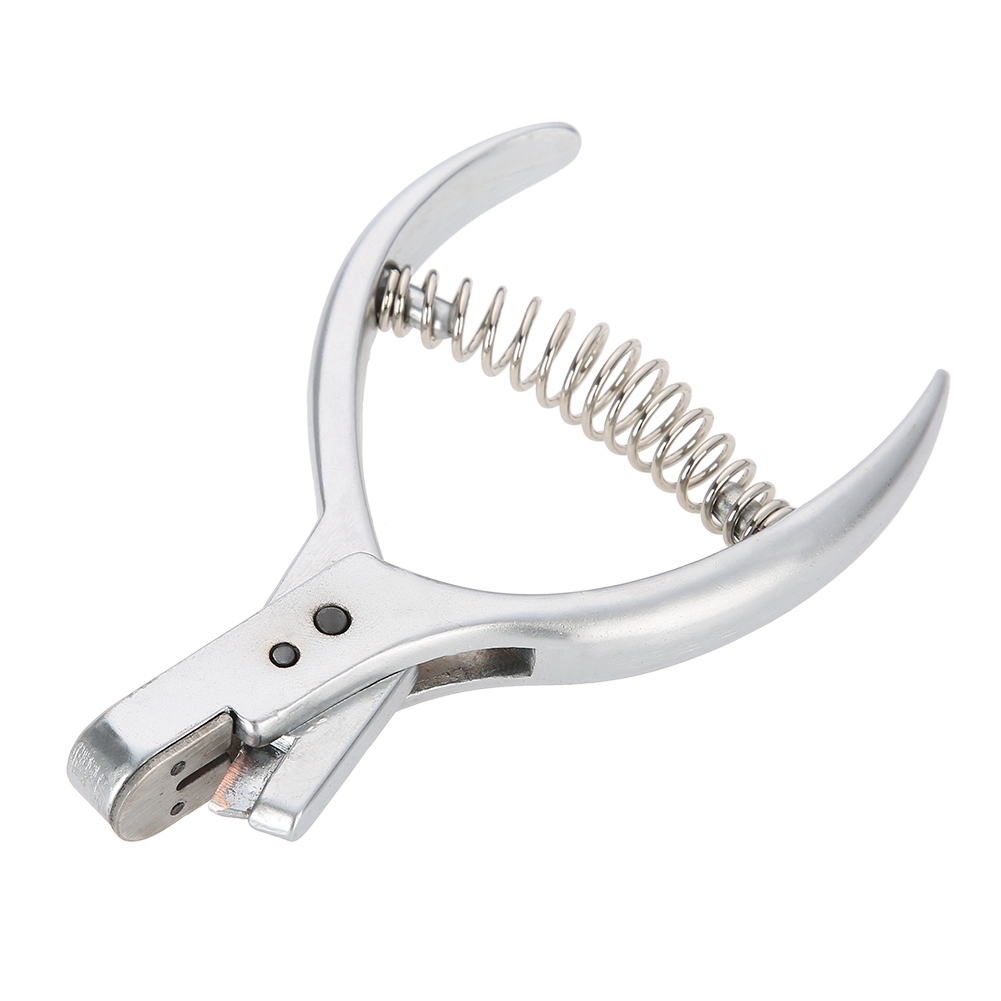
A pattern notcher is used to create small notches along pattern edges. These notches serve as alignment marks that help match garment sections during sewing, such as sleeve caps to armholes or front and back seams.
17.
RABBIT PATTERN PUNCH
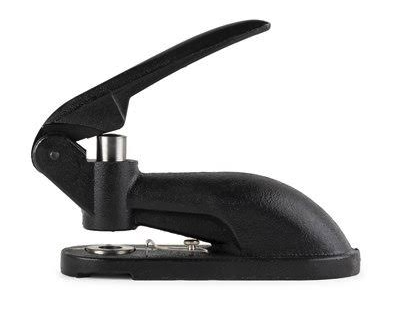
A rabbit pattern punch is used to create clean, uniform holes in block patterns and slopers for hanging and storage. These holes allow patterns to be organized on pattern hooks, making it easy to hang, identify, access, and maintain a pattern library.
18.
PATTERN HOOKS
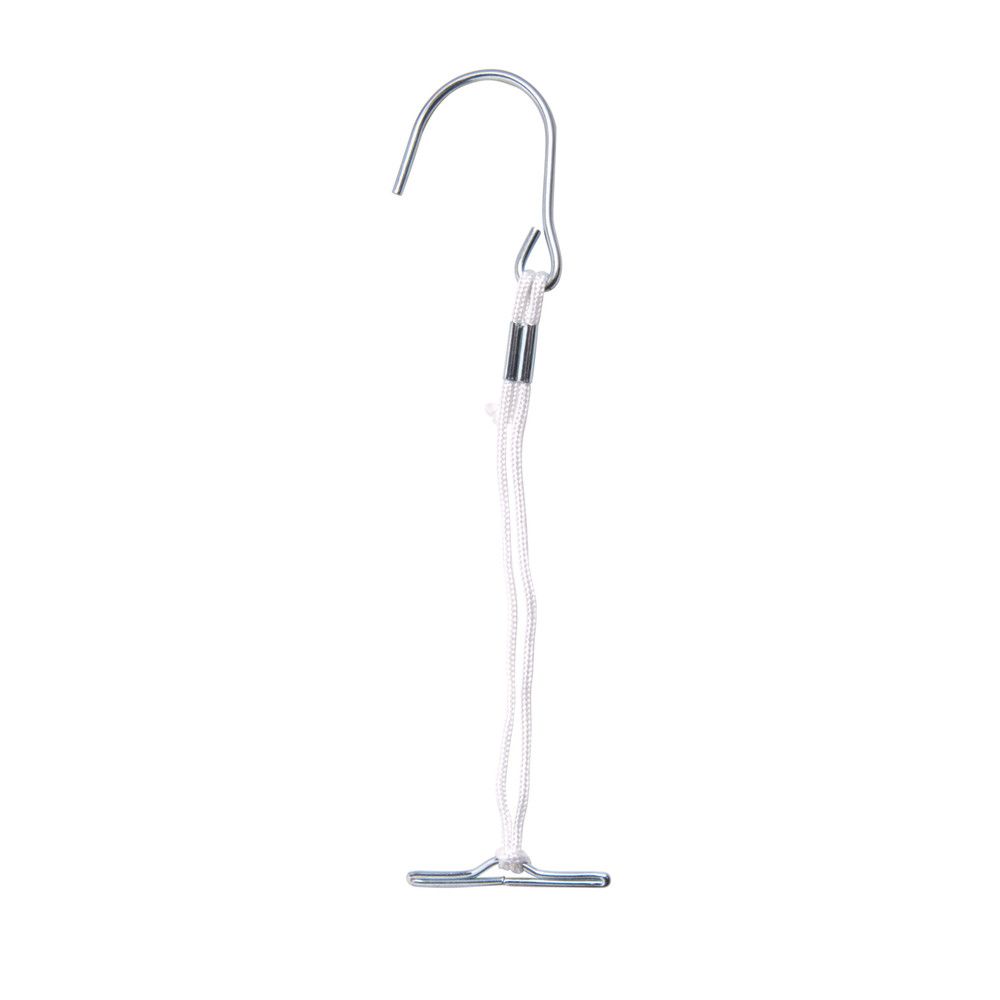
Pattern hooks are used to hang and organize pattern pieces. They are particularly helpful when storing multiple patterns, keeping garment sections together, and maintaining an organized pattern library.
Ready to Build Your Patternmaking Toolkit?
Now that you’ve explored the essential tools and materials used in patternmaking, it’s time to start building your own toolkit!
Whether you’re just getting started or expanding your existing collection, having the right supplies within reach makes pattern development more organized, accurate, and enjoyable.
Want to keep track of everything? We’ve created a printable Pattern Making Tools & Materials Checklist so you can easily reference the essentials as you build your collection.




About me

Latest Posts

18 Essential Tools & Supplies for Pattern Making: A Beginner’s Guide
November 21, 2026
Gallery Post with Slideshow Enabled
January 4, 2025
The Good and Bad of Coffee Beans
January 4, 2025